Style
How to Avoid Scam Drug Sites Online
Jun
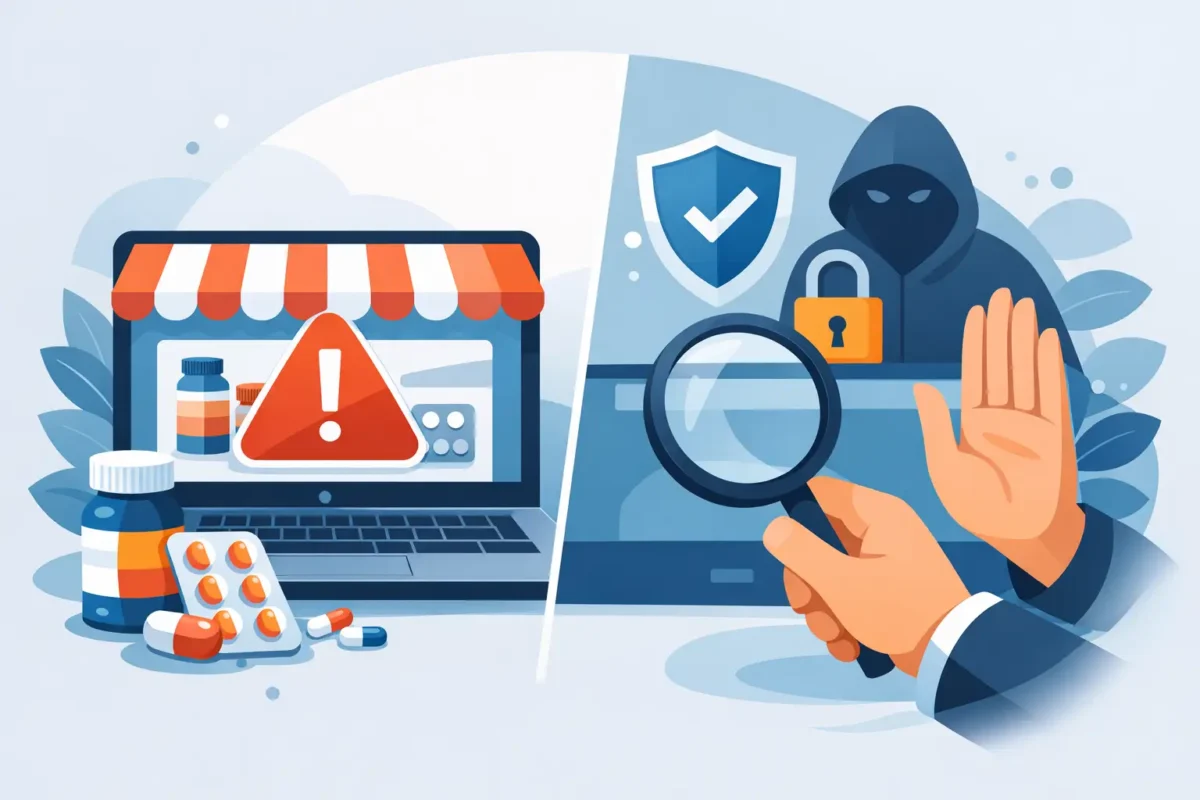
A slick homepage means nothing if the package never lands, the product is fake, or your payment disappears into a wallet no one answers for. If you are searching for how to avoid scam drug sites, you do not need vague advice. You need to know what separates a real operation from a cash-grab page built to take money and vanish.
The hard truth is simple: scam vendors copy the same trust language as legitimate stores. They all claim top purity, stealth shipping, global delivery, and responsive support. Some even steal product photos, lab graphics, and reviews from other sites. That is why surface-level trust signals are not enough. You have to read the structure of the operation, not just the sales copy.
How to avoid scam drug sites before you pay
The first serious check is consistency. A scam site usually looks polished at first glance, but once you start moving through product pages, payment instructions, shipping claims, and policy pages, the cracks show. Prices swing too low to make sense, product descriptions are thin or copied, and every item somehow has glowing reviews written in the same voice. When a store claims to stock everything from dissociatives to benzos to stimulants in every quantity at all times, you should pause. A broad catalog can be real, but fake stores often overbuild their inventory because listing products costs them nothing.
Payment terms tell you even more. If a site pushes only irreversible payment methods and gives you pressure tactics like limited-time discounts that expire in hours, that is not a trust signal. That is a funnel. Crypto payments alone do not automatically mean fraud, especially in high-risk categories where buyers want privacy, but it does mean you need stronger proof everywhere else. If there is no believable refund language, no order process transparency, and no response before payment, you are taking all the risk.
Support is another fast filter. A real seller that expects repeat business usually answers basic presale questions in a way that is specific and consistent. A scammer often replies with generic one-liners, avoids direct questions, or pushes you to pay first and ask later. Response speed matters, but quality matters more. A fast answer that says nothing is still nothing.
The biggest red flags scam sites cannot hide
Unreal prices are the oldest trap in the book. If the market is charging one range and a site comes in dramatically lower across the board, that gap exists for a reason. Sometimes the scam is obvious – they take payment and disappear. Other times it is worse – they send a substituted, cut, or completely different product. Cheap can become expensive fast.
Another red flag is fake certainty. Be careful with stores that promise guaranteed customs success, guaranteed delivery to every country, or guaranteed outcomes with zero nuance. Real shipping carries risk. Real vendors know that logistics, seizures, delays, and regional issues happen. When a site sounds too perfect, it usually is.
Watch for sloppy operational details. Misspelled policy pages, recycled images with mismatched branding, strange product measurements, broken checkout flows, and copied review blocks all point to a weak backend. That matters because scam stores usually invest in the front page and neglect the rest. They are selling appearances, not service.
Domain behavior matters too. A brand-new site making huge reliability claims deserves extra scrutiny. So does a site that constantly changes names, branding, or contact details. Some operators burn domains quickly after complaints pile up. If the identity feels unstable, treat that as a warning.
How to check whether a vendor is real
Start with the basics: does the site explain its ordering process clearly, or is everything designed to rush you into payment? A reliable vendor usually has a workable structure around ordering, confirmation, shipping timelines, and support. It may not be perfect, but it should be coherent.
Next, test the support channel before you buy. Ask two or three direct questions. Keep them simple. Ask about shipping windows, payment confirmation timing, and how damaged or missing orders are handled. You are not just looking for answers. You are looking for whether the answers line up with what the site claims elsewhere. Contradictions are a bad sign.
Then assess whether the trust signals feel earned or pasted on. Lab-tested claims, purity claims, refund promises, and stealth shipping statements are easy to write. What matters is whether the site backs those claims with consistent detail. A serious operation usually sounds like it has handled real orders. A fake one sounds like it copied a template.
This is also where restraint helps. If you are dealing with a vendor for the first time, do not make your largest order. A small test order lowers your exposure and tells you more than a dozen homepage promises. Even then, remember the trade-off: a successful small order does not prove every future order will go smoothly, but it gives you real information instead of guesswork.
Reviews can help, but they can also trap you
Many buyers make the same mistake. They see testimonials on the site, assume social proof is enough, and stop checking. That is exactly what scam pages want. On-site reviews are useful only if the rest of the operation already looks credible. By themselves, they prove almost nothing.
What you want is pattern recognition. Do the reviews discuss specific order experiences, timing, communication, and packaging in a believable way, or are they all generic praise? Do they sound like different people, or like one marketer wrote them all? Fake reviews usually over-sell. Real feedback tends to include detail and the occasional rough edge.
There is a trade-off here. Some real buyers keep reviews vague because privacy matters. So a lack of highly detailed public feedback does not automatically mean fraud. But if every review is loud, perfect, and repetitive, skepticism is the smart move.
Payment and privacy mistakes that get buyers burned
The fastest way to lose money is to send payment before you have done even basic verification. The second fastest is to overshare personal information to a site that has not earned your trust. If a checkout asks for more than is necessary, stop and think. High-risk purchases already carry exposure. There is no reason to hand over extra data to an unknown operator.
Be cautious with vendors that change payment instructions after checkout, especially if they claim there is a technical issue and ask you to send funds to a different wallet or contact. That is a common scam move. The same goes for support agents who suddenly pressure you into a larger order to unlock a fake shipping tier or discount.
Privacy-minded buyers sometimes assume any anonymous payment setup equals safety. It does not. Privacy reduces one kind of risk. It does not reduce vendor fraud. You still need to verify who you are dealing with.
How to avoid scam drug sites when everything looks legit
This is where experienced buyers get caught. The site looks clean. The catalog is deep. The claims are polished. The branding feels established. None of that guarantees anything.
What matters is operational believability over time. Does the vendor communicate like a business that intends to keep customers, or like a page trying to close one sale? Are the claims aggressive but still plausible? Is the product range broad without looking invented? Does support behave like support, or like a closer reading from a script?
A serious storefront understands that trust is built through consistency. The best sites do not rely on hype alone. They combine product availability, clear communication, realistic shipping language, and a checkout process that does not feel like a trap. If a store cannot meet that baseline, keep moving.
For buyers who value discretion, speed, and authenticity, caution is not hesitation. It is part of the process. Anyone can claim purity, stealth, and reliability. The vendors worth dealing with are the ones that make those claims feel grounded from first contact to final delivery. If you want to avoid getting burned, trust what the whole operation tells you, not just what the homepage promises.
